





A new study has raised questions about the nutritional benefits of switching from cow’s milk to plant-based alternatives, with experts warning that some popular dairy substitutes may lack essential vitamins and minerals.
Research published in The Lancet Planetary Health suggests that replacing dairy milk, even partially, with plant-based drinks could increase the risk of inadequate nutrient intake, particularly iodine, which supports thyroid function and brain health.
Registered nutritionist Rob Hobson says fortified soya milk and pea milk are among the strongest alternatives for consumers seeking a nutritional profile similar to dairy milk.
How Does Cow’s Milk Compare With Plant-Based Alternatives?
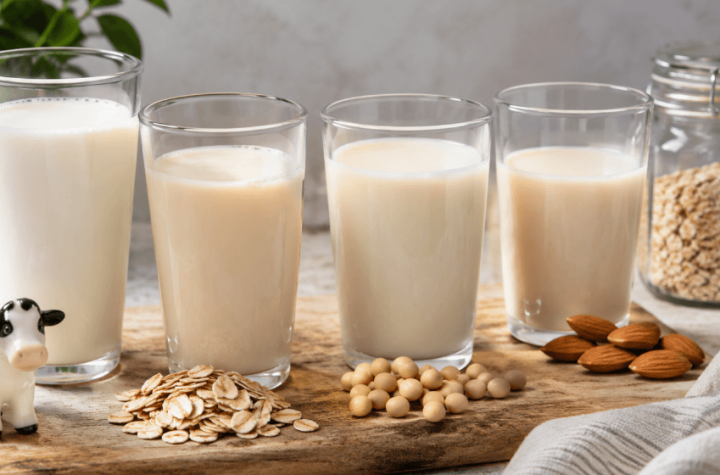
Supermarket shelves across the UK now offer a wide range of dairy-free drinks, including almond, oat, coconut, soya and pea milk.
Although many are fortified with calcium and vitamins, their protein levels and overall nutritional content vary considerably.
“The recent Lancet study raises a valid concern because people may swap dairy for plant-based alternatives without realising they’re losing some of the nutrients they were previously getting,” Hobson told The Independent.
Cow’s Milk: A Source of Protein, Calcium and Iodine
A 200ml glass of cow’s milk provides approximately 7g of high-quality protein, alongside calcium, vitamin B12, riboflavin and iodine.
Iodine is particularly important in Britain, where dairy products are a significant dietary source of the mineral.
“The iodine is particularly useful because it’s needed for normal thyroid function, and dairy is one of the main sources in the UK diet,” Hobson explained.
Whole, semi-skimmed and skimmed milk provide broadly similar amounts of protein and calcium. Their main differences concern fat and calorie content, with whole milk containing more saturated fat.
Almond Milk: Low in Calories but Limited in Protein
Unsweetened almond milk is often chosen by consumers looking to reduce their calorie intake.
It generally contains little saturated fat, but protein levels can be below 1g per 100ml.
Despite almonds being rich in beneficial fats, fibre and protein, almond drinks typically contain relatively small quantities of nuts.
“People sometimes assume almond milk has the same nutritional benefits as almonds, but most contain relatively few nuts, so you’re not getting the same amount of protein, fibre or healthy fats as you would from eating them whole,” Hobson said.
He recommends choosing fortified varieties and ensuring sufficient protein and iodine are obtained from other foods.
Oat Milk: Popular in Coffee but Lower in Protein
Oat milk has become increasingly popular in British cafés because of its creamy texture and naturally sweet flavour.
However, its protein content is substantially lower than cow’s milk.
Oat drinks generally contain more carbohydrates than almond or soya alternatives. Some also contain sugars produced when oat starch breaks down during processing, even without added sugar.
Although whole oats contain cholesterol-lowering beta-glucan fibre, most oat drinks do not provide enough to deliver comparable benefits.
Hobson recommends unsweetened, fortified oat milk for regular consumption.
Fortified Soya Milk Emerges as a Leading Dairy Alternative
Soya milk is one of the closest plant-based substitutes to cow’s milk in terms of protein.
A typical 200ml serving contains approximately 7g of protein and supplies all nine essential amino acids.
“Fortified soya milk would be my first choice if someone wanted a plant-based alternative that comes closest to cow’s milk nutritionally. It contains a similar amount of protein, usually around 7g per 200ml, and provides all nine essential amino acids, which makes it a good-quality plant protein,” Hobson said.
Soya milk is also generally low in saturated fat and contains unsaturated fats.
When fortified with calcium, vitamin B12, riboflavin and iodine, unsweetened soya milk can offer a strong nutritional alternative to dairy.
Coconut Milk: Lower in Protein and Essential Nutrients
Carton coconut milk, commonly used in drinks and cereals, differs significantly from the richer canned coconut milk used in cooking.
Although relatively low in calories, coconut drinks generally contain very little protein and may lack iodine.
Some varieties also contain more saturated fat than other plant-based drinks.
Hobson advises consumers choosing coconut milk to look for fortified products and obtain sufficient protein elsewhere.
Pea Milk: An Increasingly Promising Option
Pea milk is a less familiar dairy alternative in UK supermarkets, but its protein content makes it worth considering.
Produced using protein extracted from peas, some varieties provide amounts approaching those found in cow’s milk.
“I think pea milk is one of the more interesting plant-based alternatives because it can provide a reasonable amount of protein, unlike almond, oat or coconut milk. It’s made using protein extracted from peas, and some brands contain amounts approaching those found in cow’s milk,” Hobson said.
Its nutritional value depends on the manufacturer and whether additional vitamins and minerals have been included.
What Is the Healthiest Milk to Drink?
There is no single best milk for everyone, as nutritional requirements and dietary preferences differ.
Cow’s milk remains a valuable source of protein, calcium and iodine, while fortified soya milk offers one of the most comparable plant-based alternatives. Pea milk can also be a suitable choice, particularly for protein intake.
For consumers replacing dairy entirely, checking labels for calcium, iodine, vitamin B12 and protein is particularly important.
The findings underline that choosing a dairy-free drink involves more than comparing calories or flavour. Ensuring an adequate intake of essential nutrients remains the key consideration when making a long-term switch.

Graham Greene is a contributor to Dealmakerz, covering news, politics, business, technology, sport, entertainment, and lifestyle. He focuses on clear, accurate reporting and useful information that helps readers stay informed about current affairs and developments that matter to them. His work highlights relevant stories, emerging trends, and key issues, presenting them in a balanced, accessible, and reader-friendly way.



More Stories
Eight Simple Daily Habits That Could Lower Your Risk of a Heart Attack