






In 1980, the first version of UNIX was released sudoabbreviation for Superuser does, which allows ordinary users to run individual commands with root privileges. Because the administrator password must be entered every time – except for multiple commands executed in succession – it is more secure than logging in as root. It has since been included in almost all versions of Unix and Linux distributions, many of which no longer contain a root account password and do not allow root login.
Windows never had a sudo command, but instead had the ability to run the entire command prompt as administrator. This is still the default way to run commands that require elevated privileges, whether it's using the old Command Prompt (cmd) or using the new Terminal program in Windows 11. But now it looks like that's about to change, according to reports. Latest Windows.
The Windows version of Sudo is included in the beta version of Windows Server that Microsoft accidentally made available via Windows Update the other day.
The sudo command must first be enabled via Windows developer settings, and requires the user to enable developer mode. The system warns that it may pose a security risk. Interestingly, Sudo on Windows has three different settings for how commands are executed: in a new window, with input turned off, or directly in the same window. It's not clear exactly what “with input disabled” means, but Windows Latest speculates that this could mean that the system is temporarily turning off the mouse and keyboard while the command is running.

Graham Greene is a contributor to Dealmakerz, covering news, politics, business, technology, sport, entertainment, and lifestyle. He focuses on clear, accurate reporting and useful information that helps readers stay informed about current affairs and developments that matter to them. His work highlights relevant stories, emerging trends, and key issues, presenting them in a balanced, accessible, and reader-friendly way.



More Stories
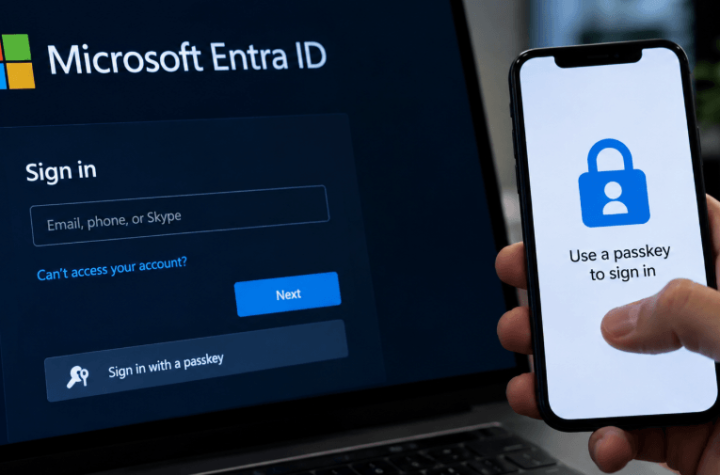
Microsoft Urges Entra ID Admins to Move Users to Passkeys Before SMS Sign-In Retirement
Polish Developer Builds App That Detects Nearby Meta Smart Glasses
Google Pics Launches with AI Image Creation and Editing Across Docs, Slides and Drive