





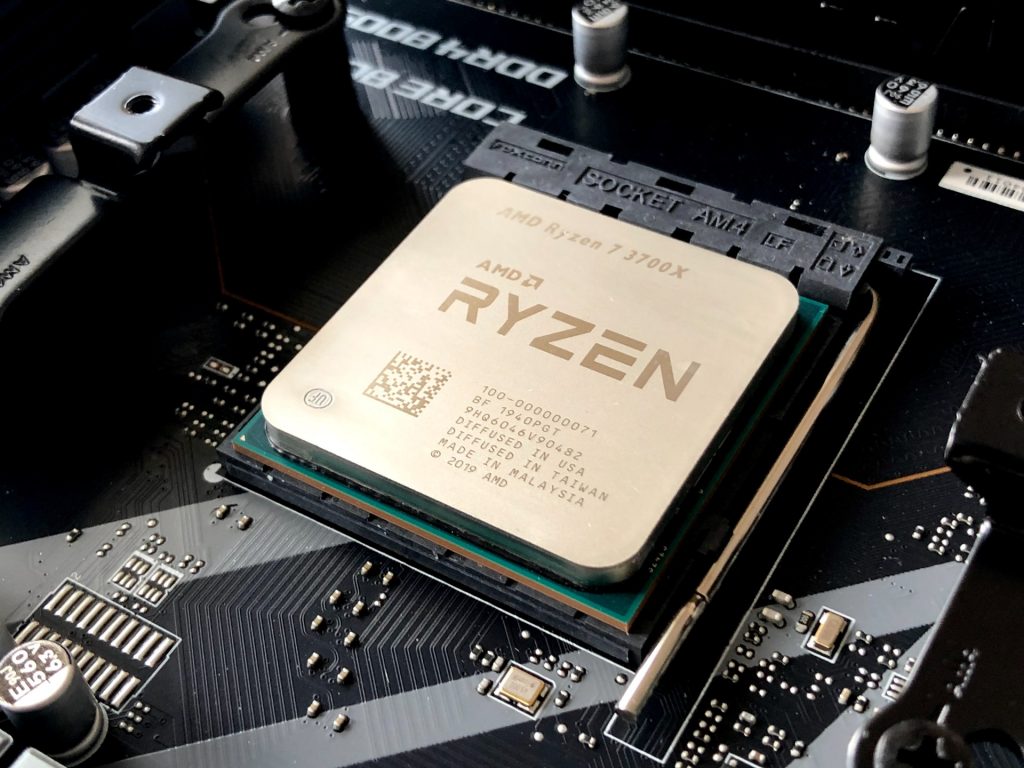
If you’re running Windows 11 with an AMD Ryzen chip, AMD says you can expect slightly worse performance in some scenarios. According to the chip manufacturer’s support document, all processors that are officially compatible with the operating system should be affected, for consumer chips it is about everything from the Ryzen 2000 series from 2018 onwards.
The first problem that AMD discovered is that the L3 cache can have up to three times the response time, which affects the performance of some programs (up to 3-5 percent), but can reach 10-15 percent in some games. The second problem is the chip’s UEFI CPPC2 system, which communicates with the operating system about the best CPU cores that can achieve high boost speed for the specific task. For some reason, this is not always plugged in in Windows 11 and may degrade the performance of some programs, especially those with single threads.
So if you’re just planning to update your PC with an AMD chip to Windows 11, it might be worth waiting with the installation until the bugs are fixed. Fortunately, AMD and Microsoft are currently preparing bug fixes for both issues, and they should come later this month.

Graham Greene is a contributor to Dealmakerz, covering news, politics, business, technology, sport, entertainment, and lifestyle. He focuses on clear, accurate reporting and useful information that helps readers stay informed about current affairs and developments that matter to them. His work highlights relevant stories, emerging trends, and key issues, presenting them in a balanced, accessible, and reader-friendly way.




More Stories
Microsoft Urges Entra ID Admins to Move Users to Passkeys Before SMS Sign-In Retirement
Polish Developer Builds App That Detects Nearby Meta Smart Glasses
Google Pics Launches with AI Image Creation and Editing Across Docs, Slides and Drive