





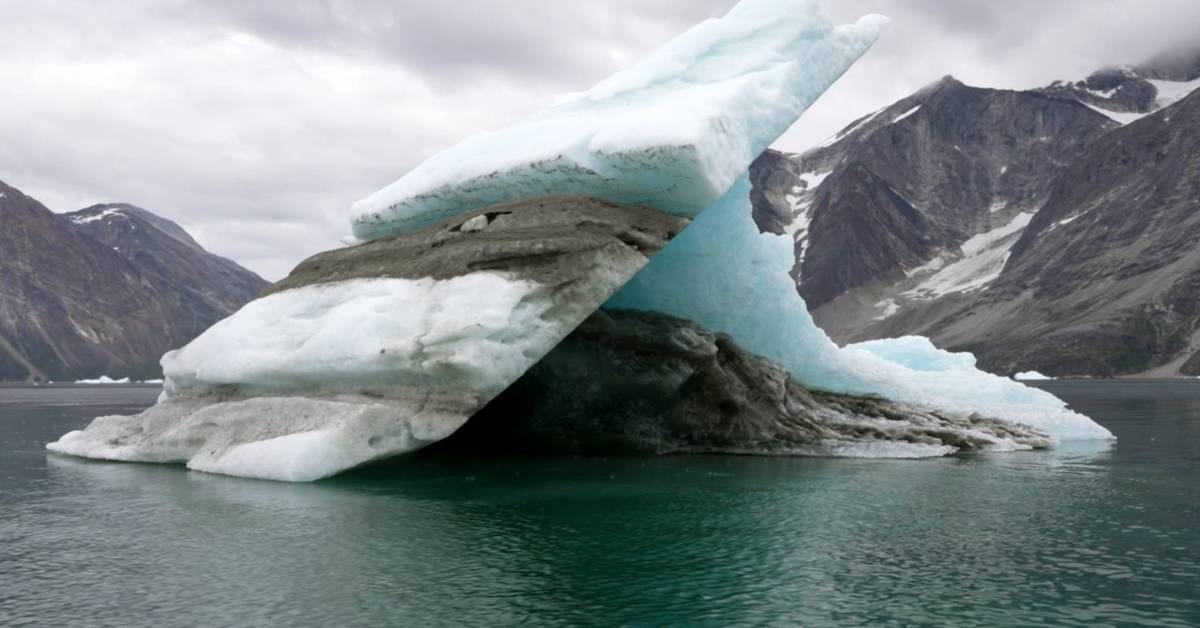
Due to global warming, the Siberian permafrost is thawing and viruses that have been frozen for over 40,000 years are being released. French professor Jean-Michel Claverie has now shown that viruses that had been dormant in permafrost can become active again when they are introduced into amoebae.
– This shows that ancient viruses can be brought back to life when they come into contact with water, for example, says Birgitta Evengaard, a professor at the Department of Microbiology at Umeå University.
The risk of new epidemics
The oldest virus sample brought back by the French research team was 48,500 years old or more. And according to Birgitta Evengaard, who researches infectious diseases and climate change in the Arctic, there are clear risks of new epidemics.
It takes time for our immune systems to adapt to new viruses, and if we don’t have healthy ecosystems, we don’t have human health.
There is no data from Russia
After Russia entered Ukraine in March 2022, many collaborations with Russian researchers were cut off, so important data on the situation in Siberia is currently missing. Birgitta Evengård wants to see more observation, more preparedness, and more knowledge.
– Climate change in the Arctic is happening fast now, and we have to be proactive and stay one step ahead. We researchers know a lot, but we have to work together, she says.

George Eliot is a contributor to Dealmakerz, covering news, politics, business, technology, sport, entertainment, and lifestyle. She focuses on clear, accurate reporting and useful information that helps readers stay informed about current affairs and developments that matter to them. Her work highlights relevant stories, emerging trends, and key issues, presenting them in a balanced, accessible, and reader-friendly way.




More Stories
What Is a Blue Moon and When Can You See It in the UK?
LHC Achieves Key Milestone in 2026 Physics Programme
Why Rare Earth Metals for Electric Cars Are Crucial for Modern Mobility